

News
-

To address the need for high transparency, how can the blown film process be optimized in PE bag production to reduce crystal points?
For older equipment, the filter mesh fineness can be increased and the filter mesh can be replaced more frequently to filter out tiny crystals and enhance plasticizing ability.
Learn More2026-02-25 -
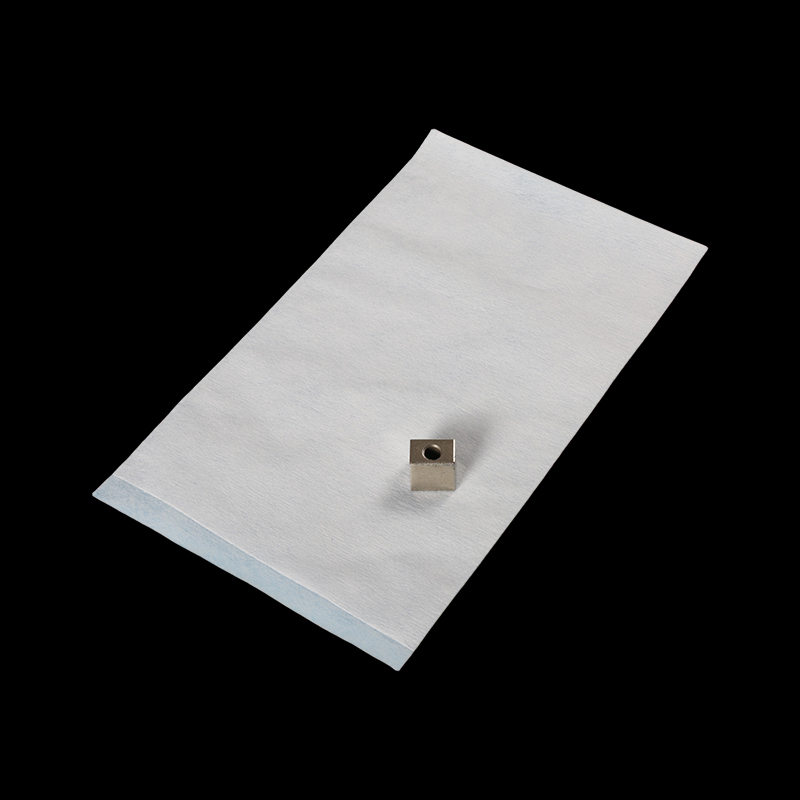
How do non-woven bags achieve such load-bearing capacity despite their thinness and strength?
In today's increasingly environmentally conscious world, non-woven bags have widely replaced traditional plastic bags, becoming the mainstream choice for shopping, advertising, and gift packaging due to their advantages such as reusability, biodegradabili
Learn More2026-02-15 -
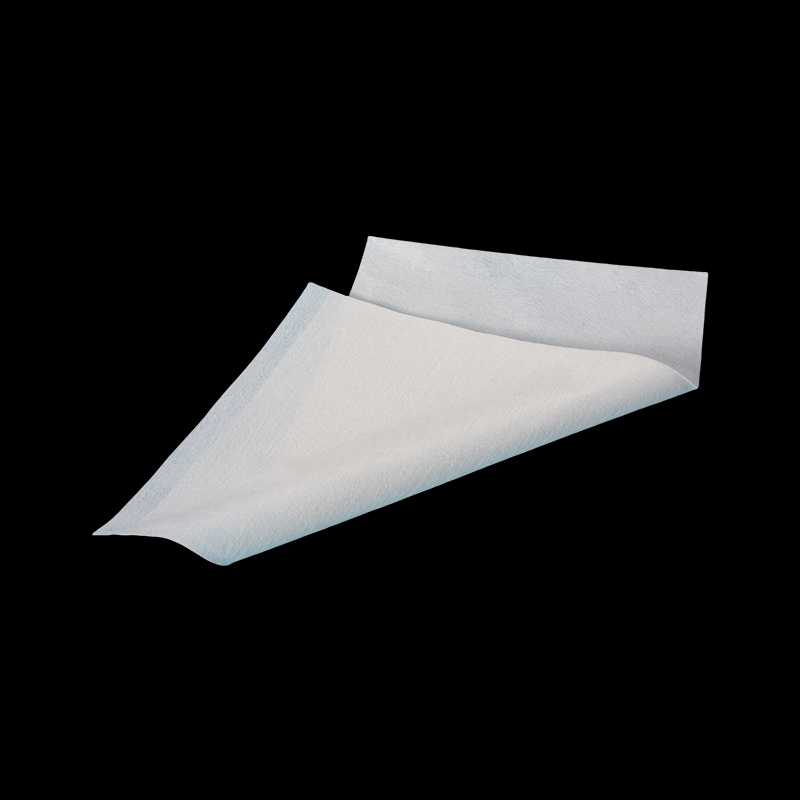
How to optimize the meltblown process in the production of non-woven bags to improve fiber uniformity and strength?
Optimization of the meltblown process needs to be integrated throughout the entire process, including raw material selection, temperature control, airflow stretching, spinneret design, post-processing, and environmental control.
Learn More2026-02-10 -
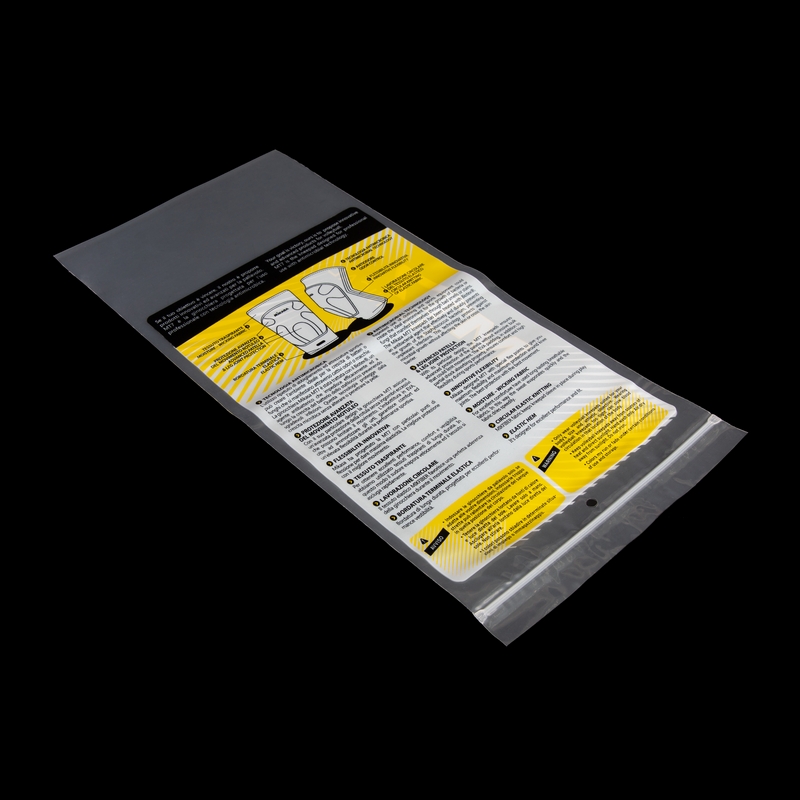
How do PE printed ziplock bags maintain reliable sealing even after multiple openings and closings?
In the modern packaging industry, PE printed ziplock bags have become a widely adopted packaging solution in the food, medical, industrial, and daily necessities sectors due to their convenience, functionality, and aesthetics.
Learn More2026-02-03 -
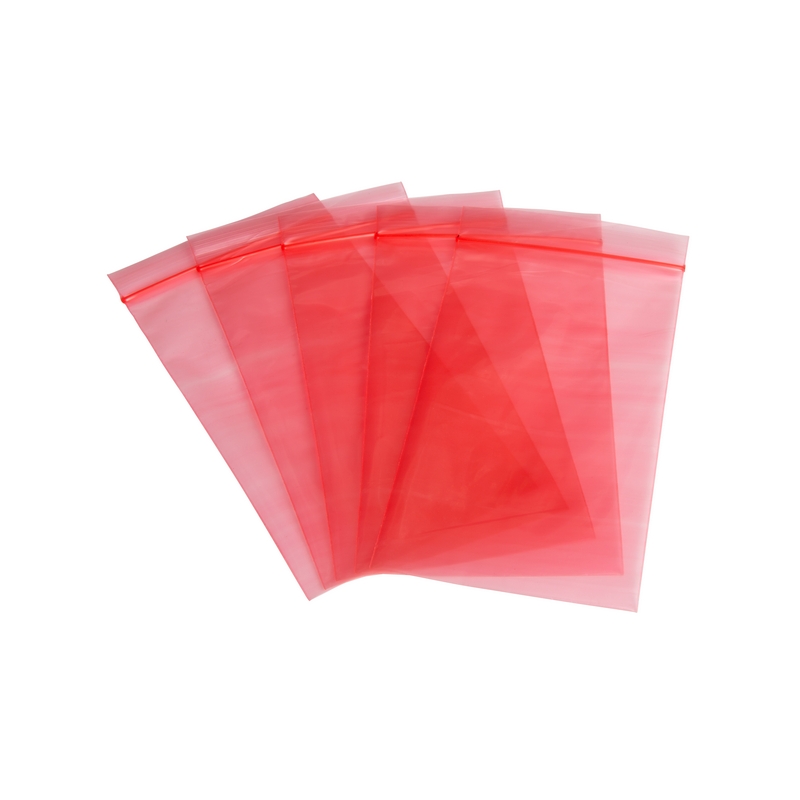
How do anti-static bags protect precision electronic components with their flexibility?
In high-precision fields such as modern electronics manufacturing, semiconductor packaging, communication equipment assembly, and even aerospace, even minute electrostatic discharges can cause irreversible damage to sensitive components.
Learn More2026-01-27 -
How do PE flat bags protect product integrity with their lightweight durability in the industrial packaging field?
The value of PE flat bags in industrial packaging lies precisely in their "excellence in simplicity"—they don't pursue elaborate structures, but rather silently shoulder the responsibility of protecting product integrity through the inherent waterproof, t
Learn More2026-01-20